THE STUDIO
We take software personally.
Everything we make is for someone in particular, and it goes out with our names on it as well as theirs. Ten people, one room, in Gornji Vakuf-Uskoplje, Bosnia and Herzegovina.
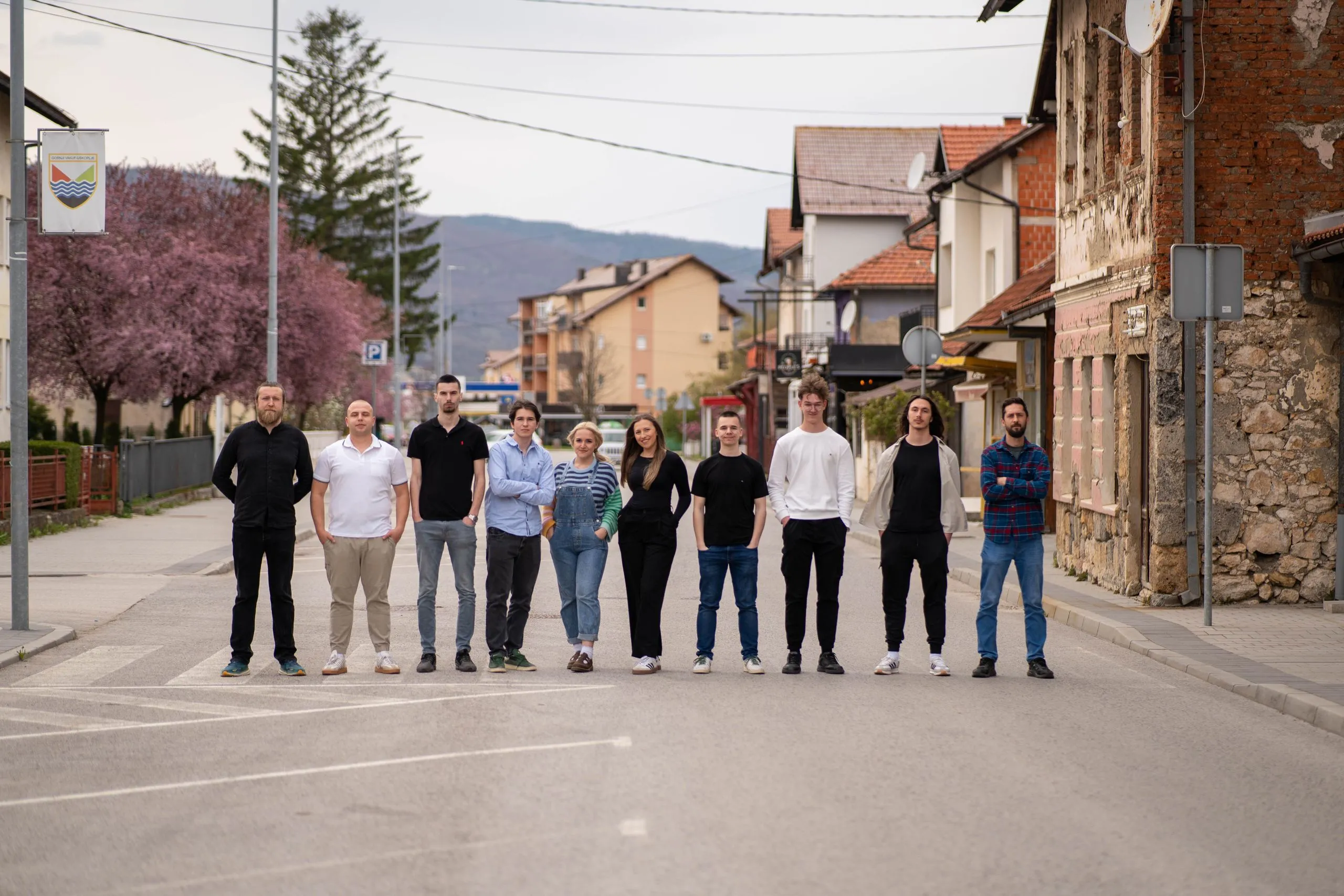
For someone in particular.
Good software fits the purpose and the people it was made for, and what that looks like changes with the case. For a tool someone uses all day, it usually means disappearing into the work: sensible defaults, an empty state that says something useful, an error that tells you what to do next. For a first experiment, it can mean doing one thing and deliberately nothing else. For a brand, it can mean an experience with real character. None of that is a formula. The measure is how well it fits.
It also has to keep fitting. Software that is still right three years on was built to be changed, can be read by someone who wasn't there when it was written, and runs without anyone watching over it. When that is what the situation calls for, we care about it as much as anything on the screen.
Design and engineering happen in the same room here, and in the same conversation.
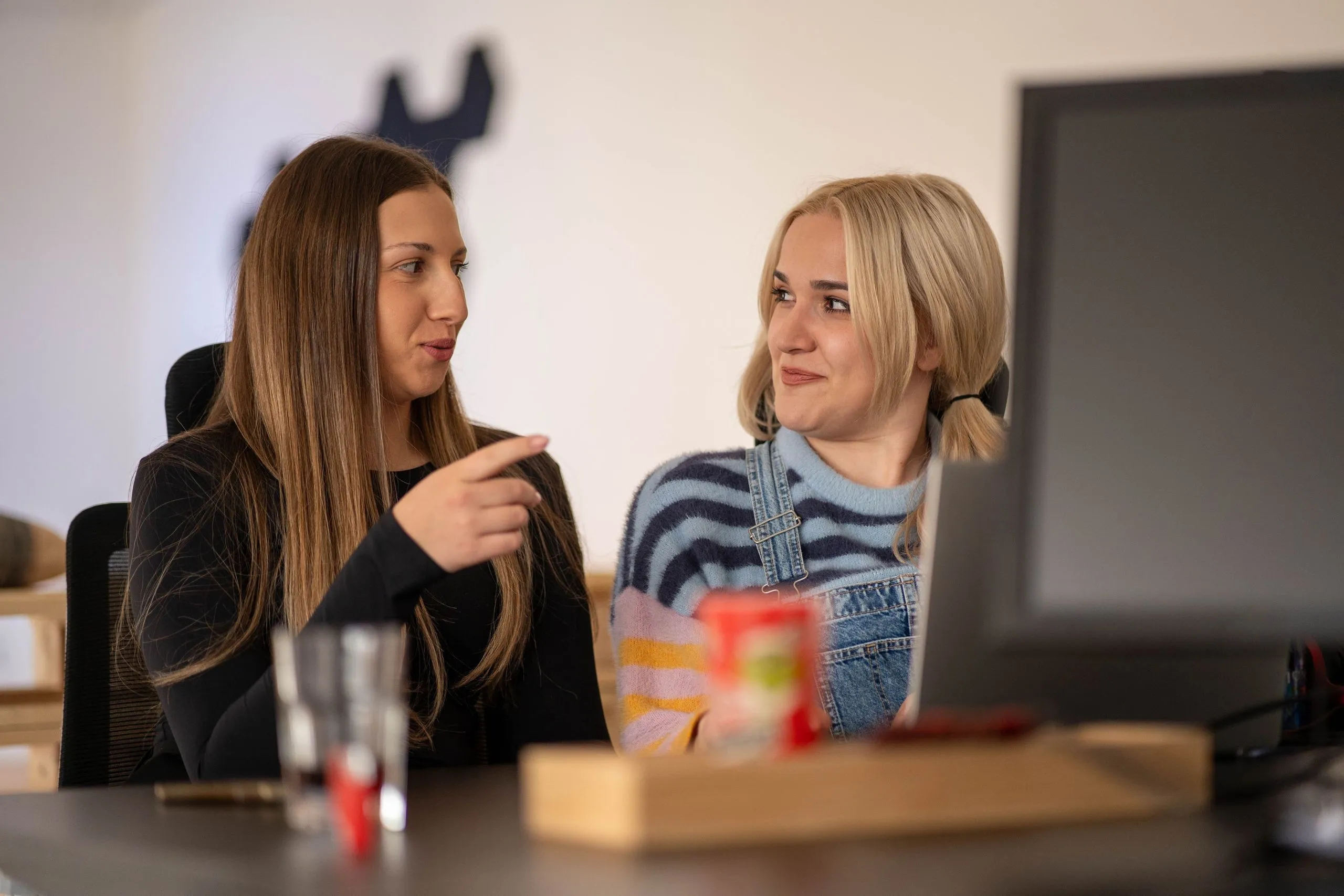
With our names on it.
There is nobody between a client and the people building their software, and nothing is subcontracted. The people below are the people on the projects.
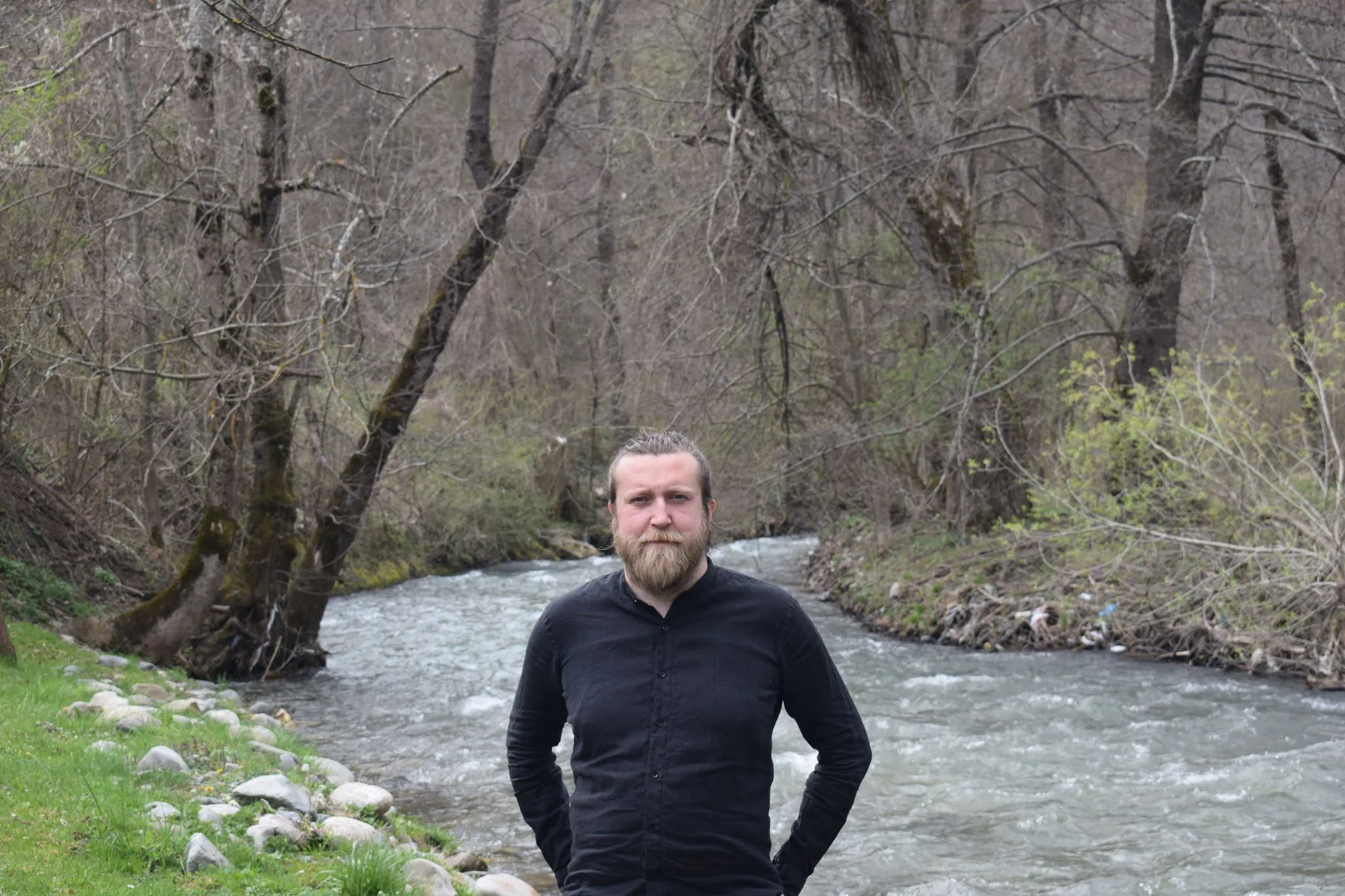
Amar Idrizović
FOUNDER · CHIEF ARCHITECT
Leads architectural direction across the team's projects. Happiest outside.
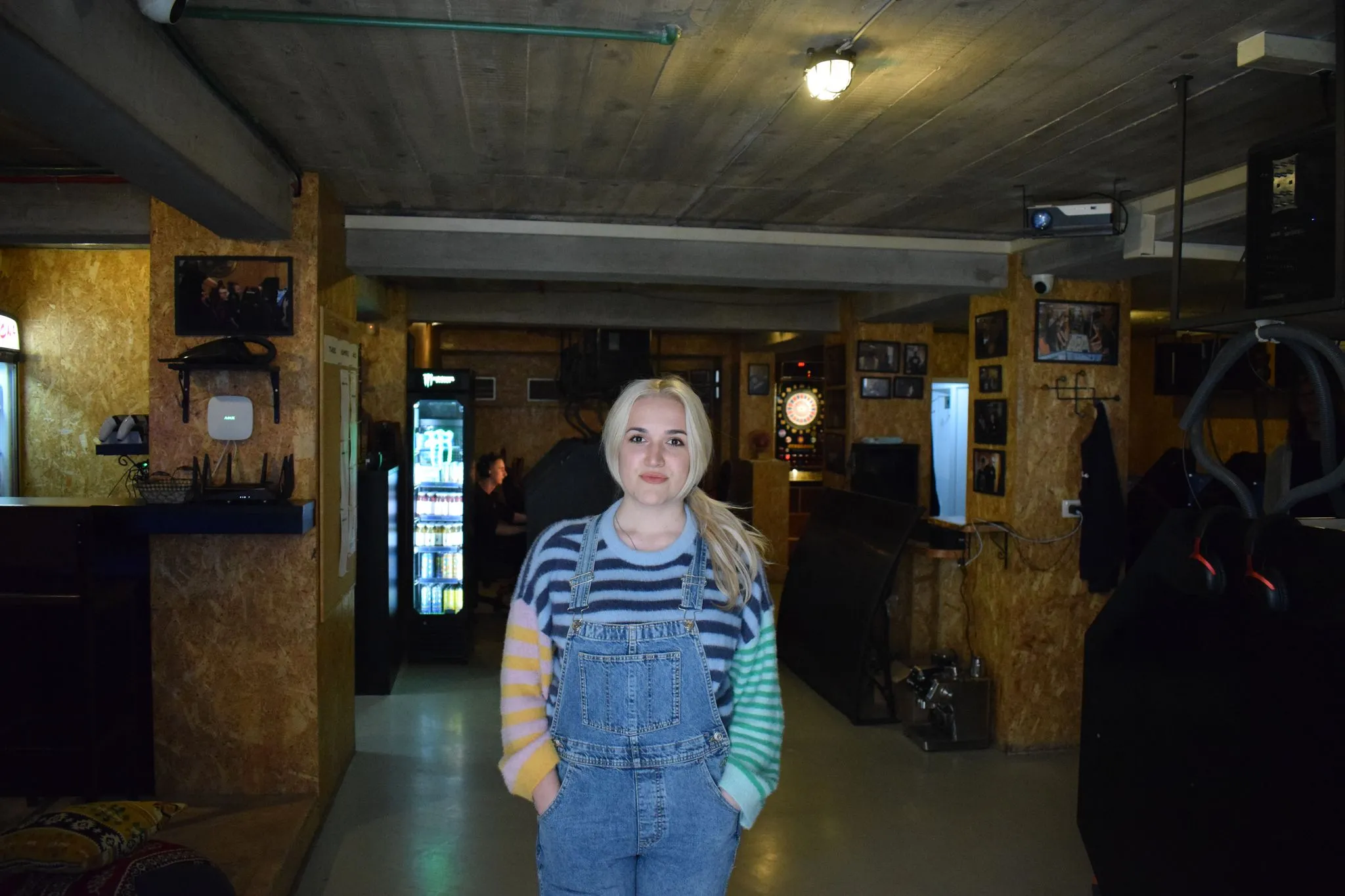
Emira Huskić
CHIEF DESIGNER
Heads up design across everything we ship. Equally at home with a sketchbook or a power tool.
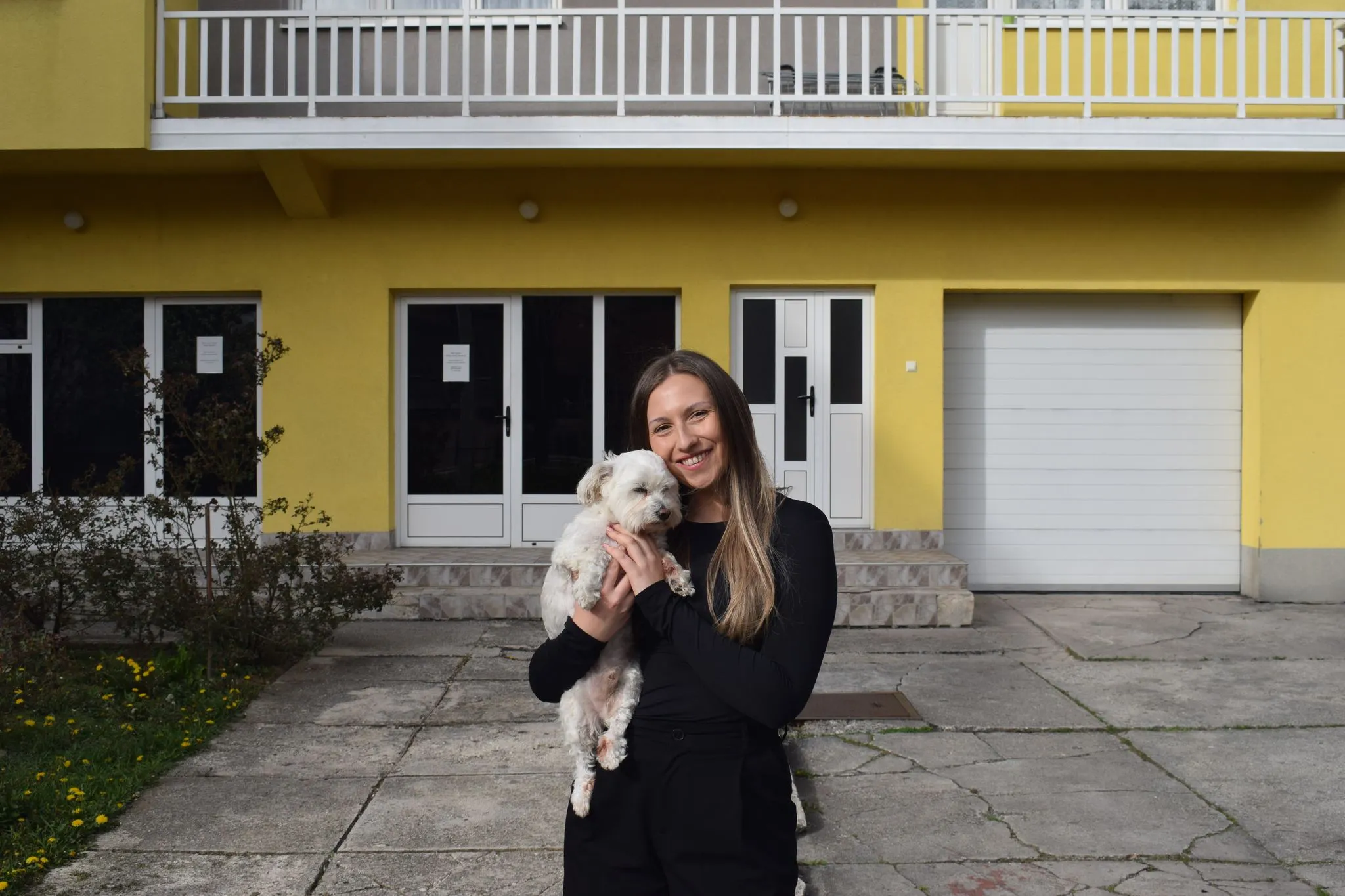
Selma Hadžijusufović
SOFTWARE ARCHITECT
Designs the systems behind our backend. Inseparable from her dog, who has attended more standups than most of us.
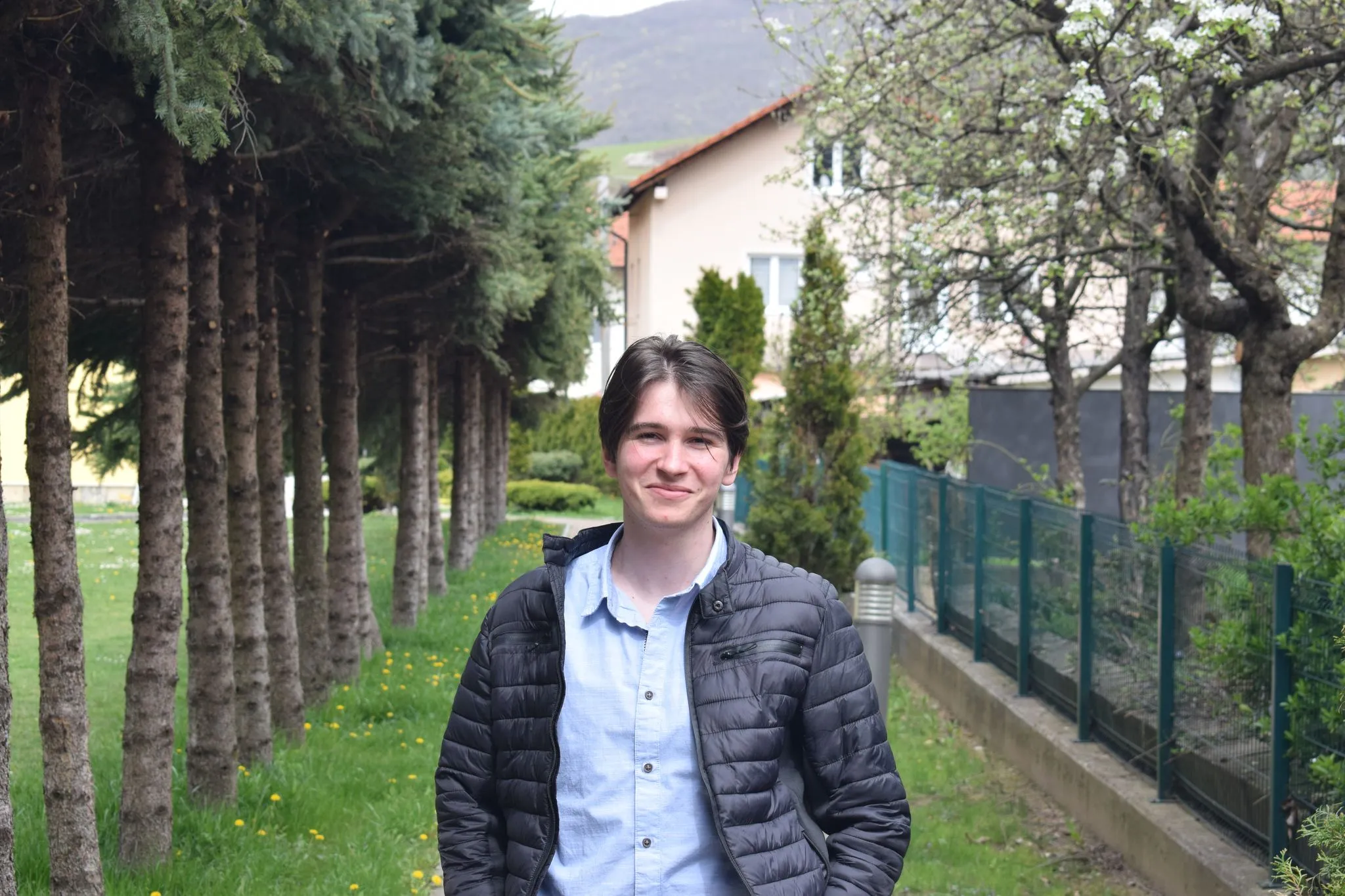
Zlatan Dadić
SOFTWARE ARCHITECT
Architects backend systems with a calm no production incident has managed to break.
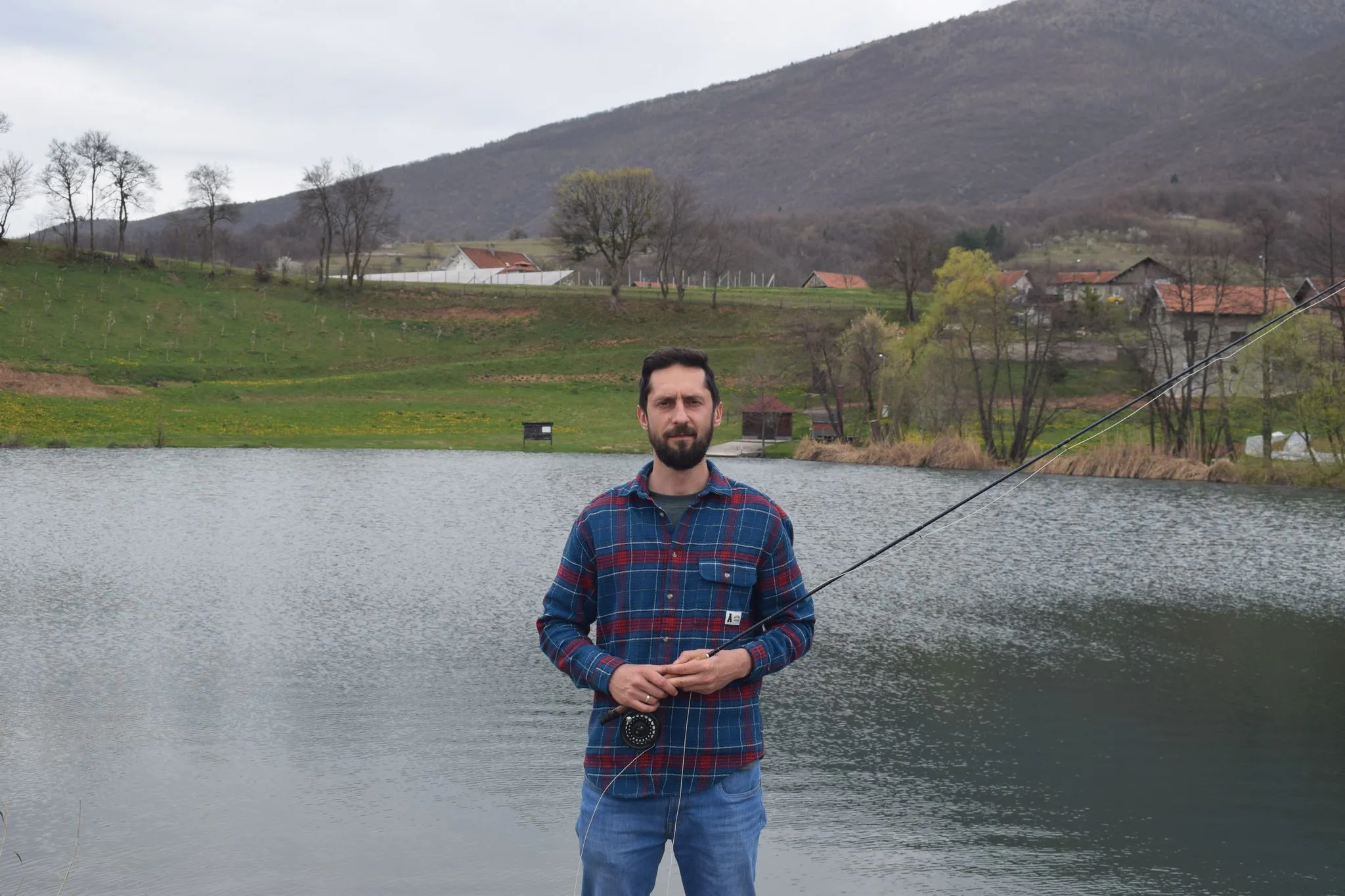
Nedim Kevro
SOFTWARE DEVELOPER
Catches fish on the weekend and bugs during the week. Patient at both.
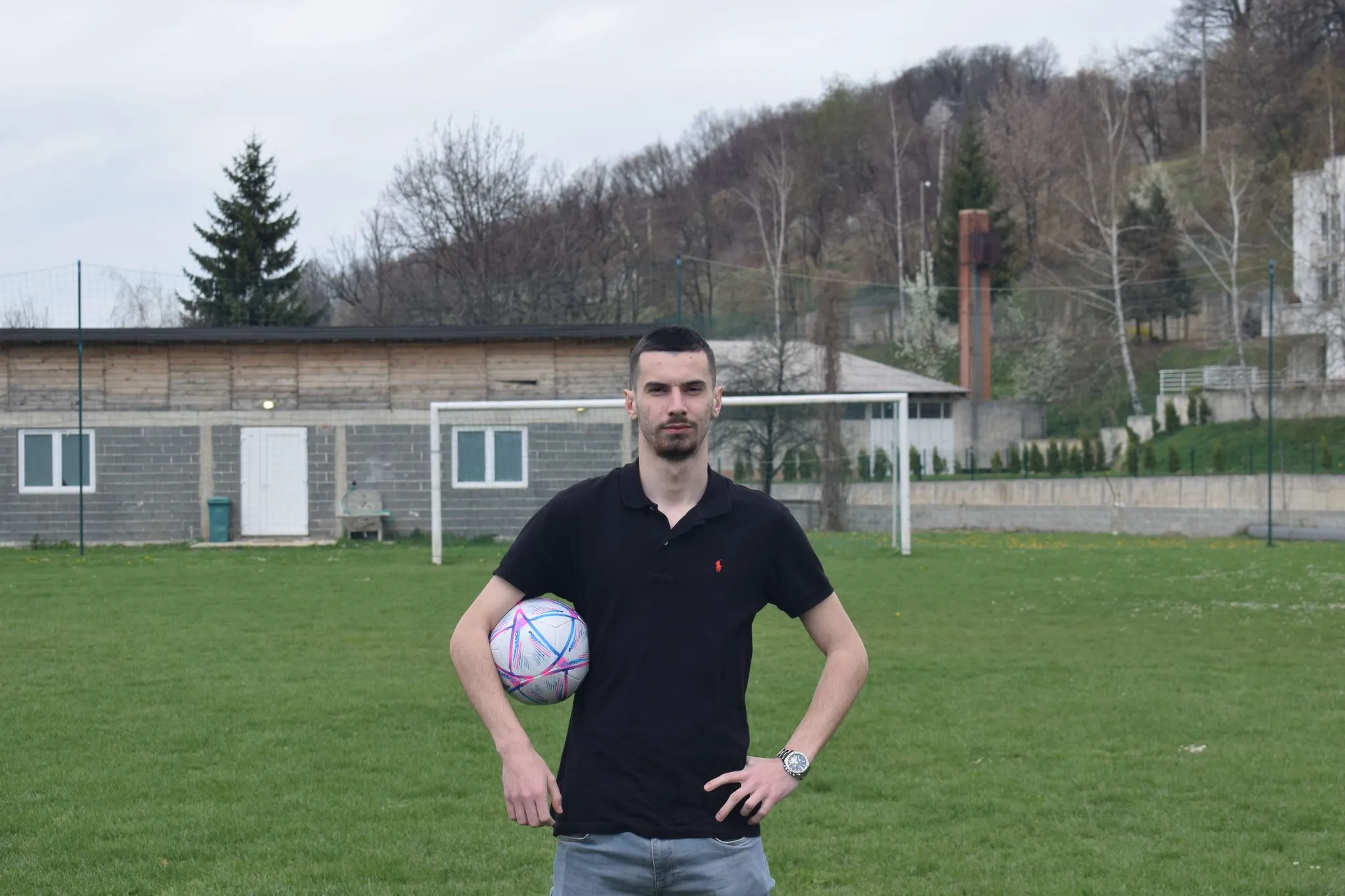
Nedim Muminović
SOFTWARE DEVELOPER
Ships features by day and plays football the rest of the time.
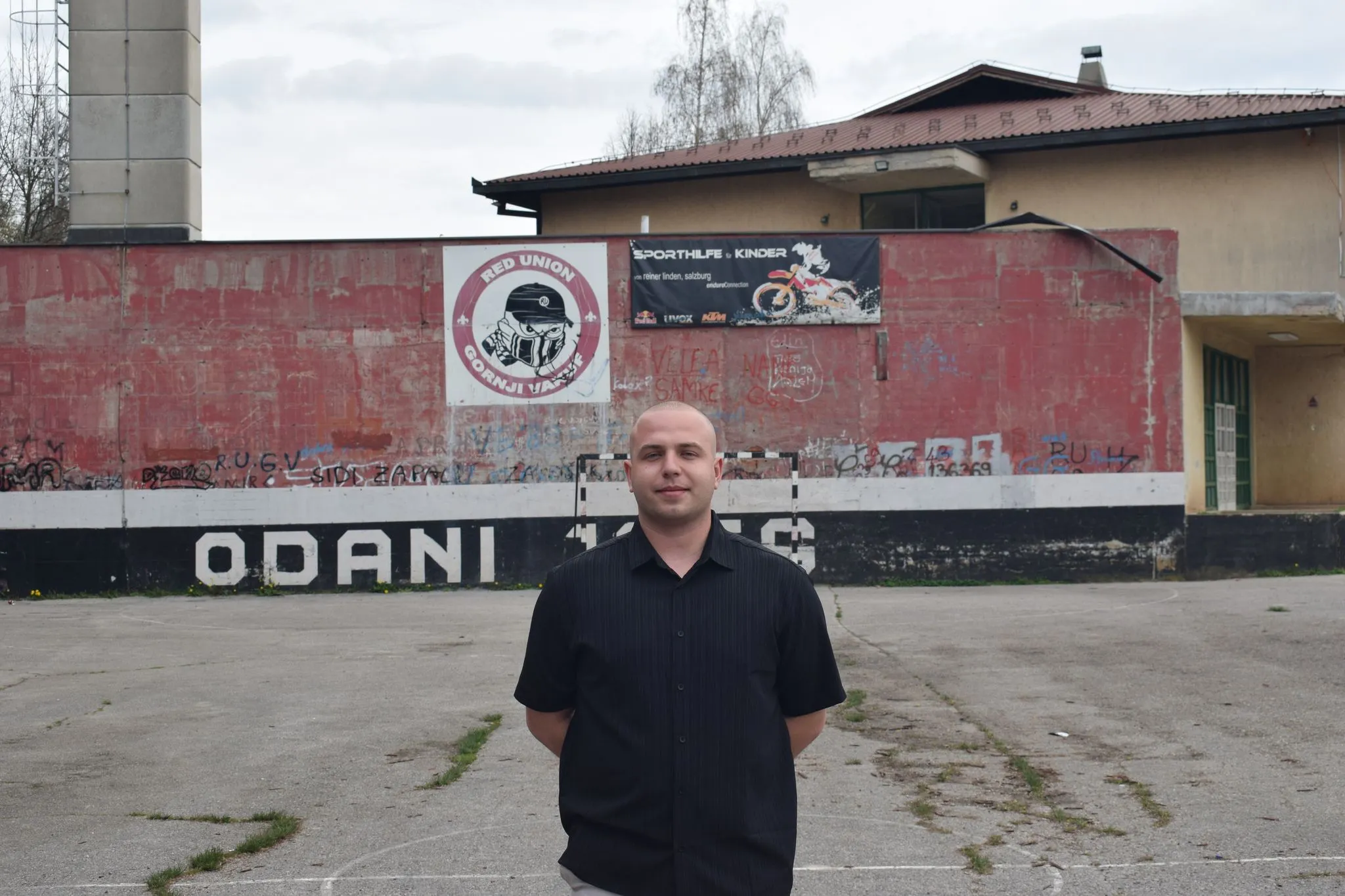
Midhat Drino
SOFTWARE DEVELOPER
Dependable on the parts that have to hold. Lifelong supporter of the local club; don't get him started on referees.
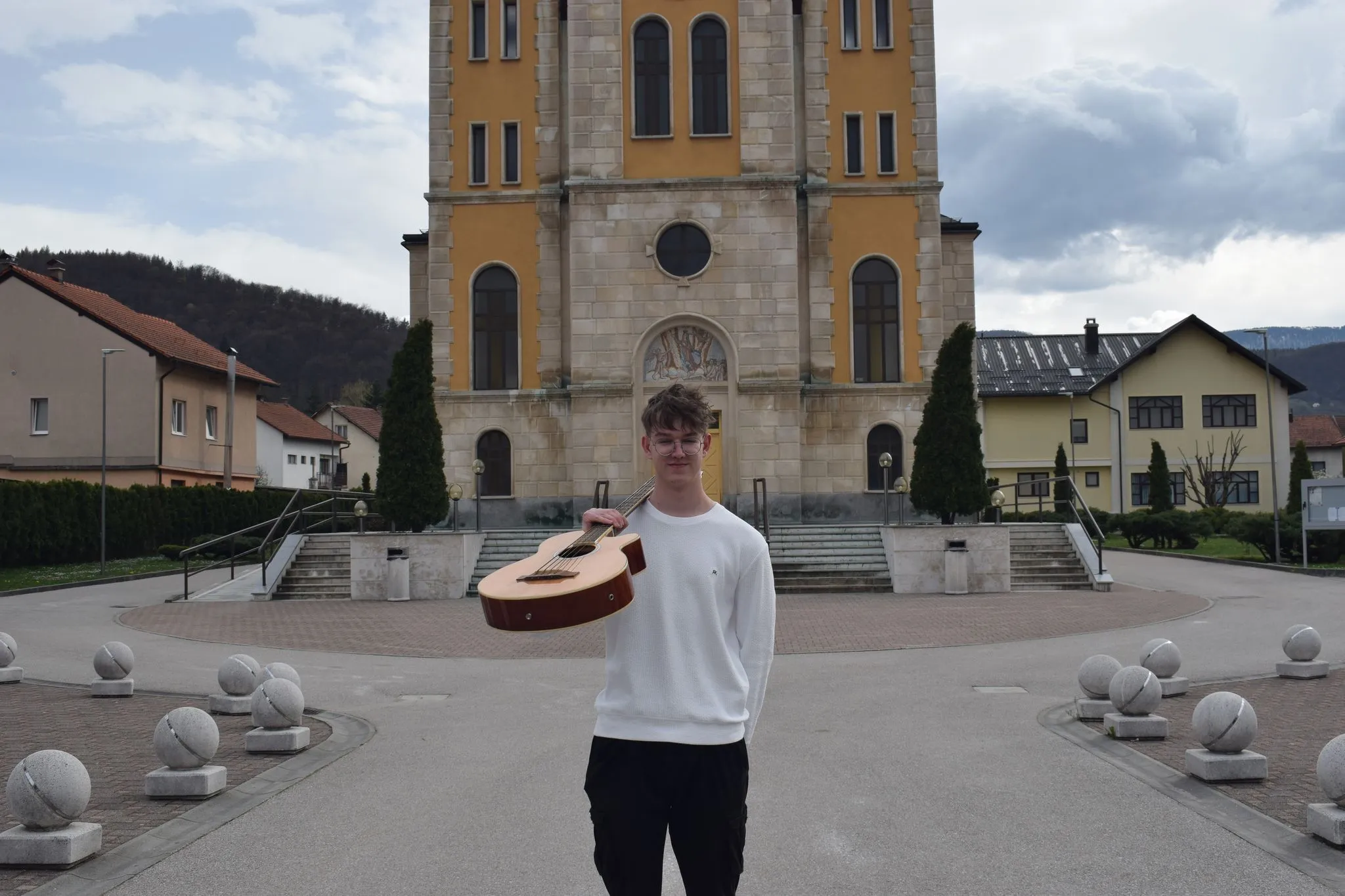
Josip Knežević
SOFTWARE DEVELOPER
Builds clean, considered code. Picks up a guitar the moment a laptop closes.
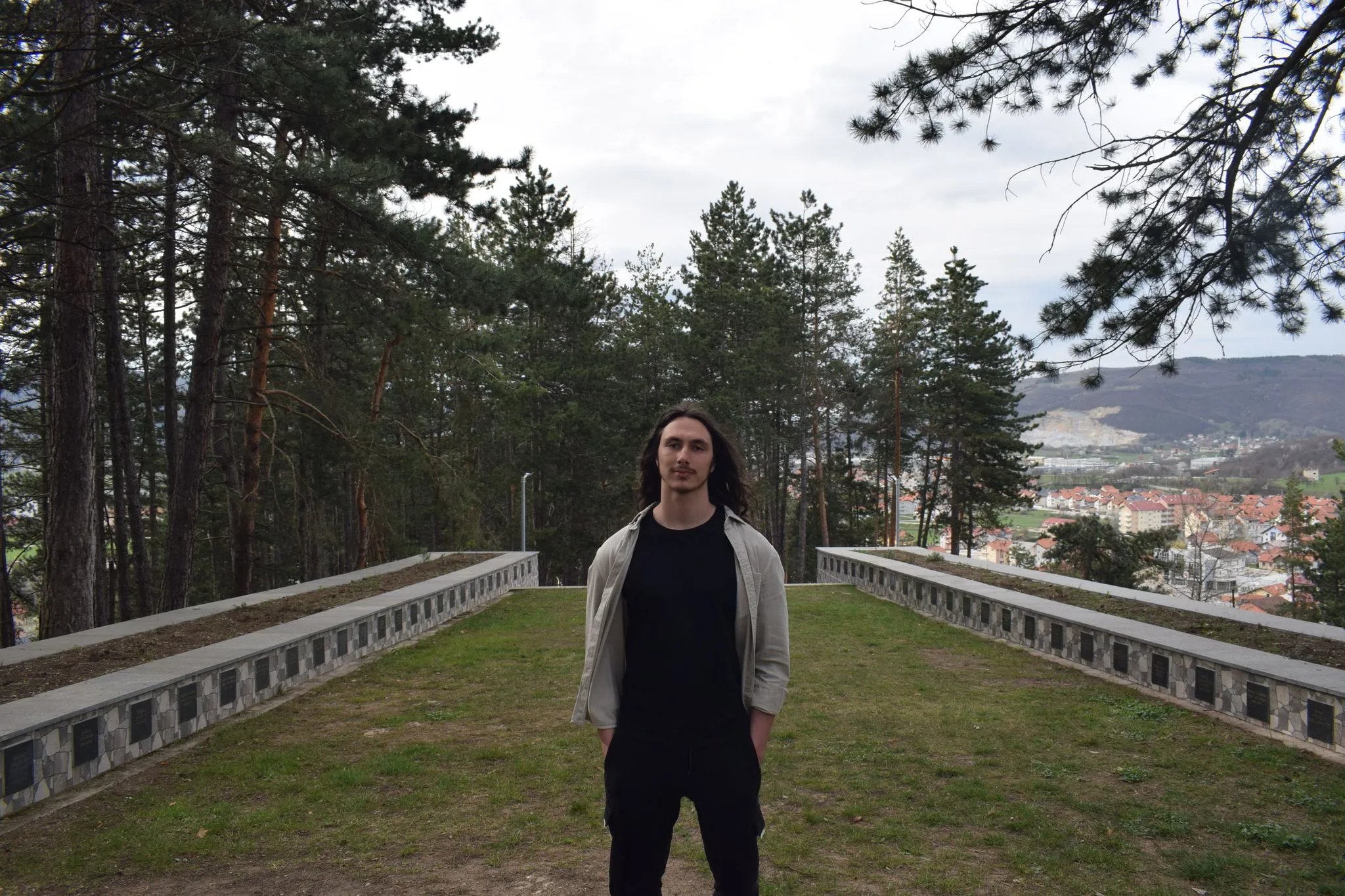
Jakov Vuković
SOFTWARE DEVELOPER
Builds carefully, thinks structurally, and rarely leaves rough edges behind. Calm in the code and on the football pitch.
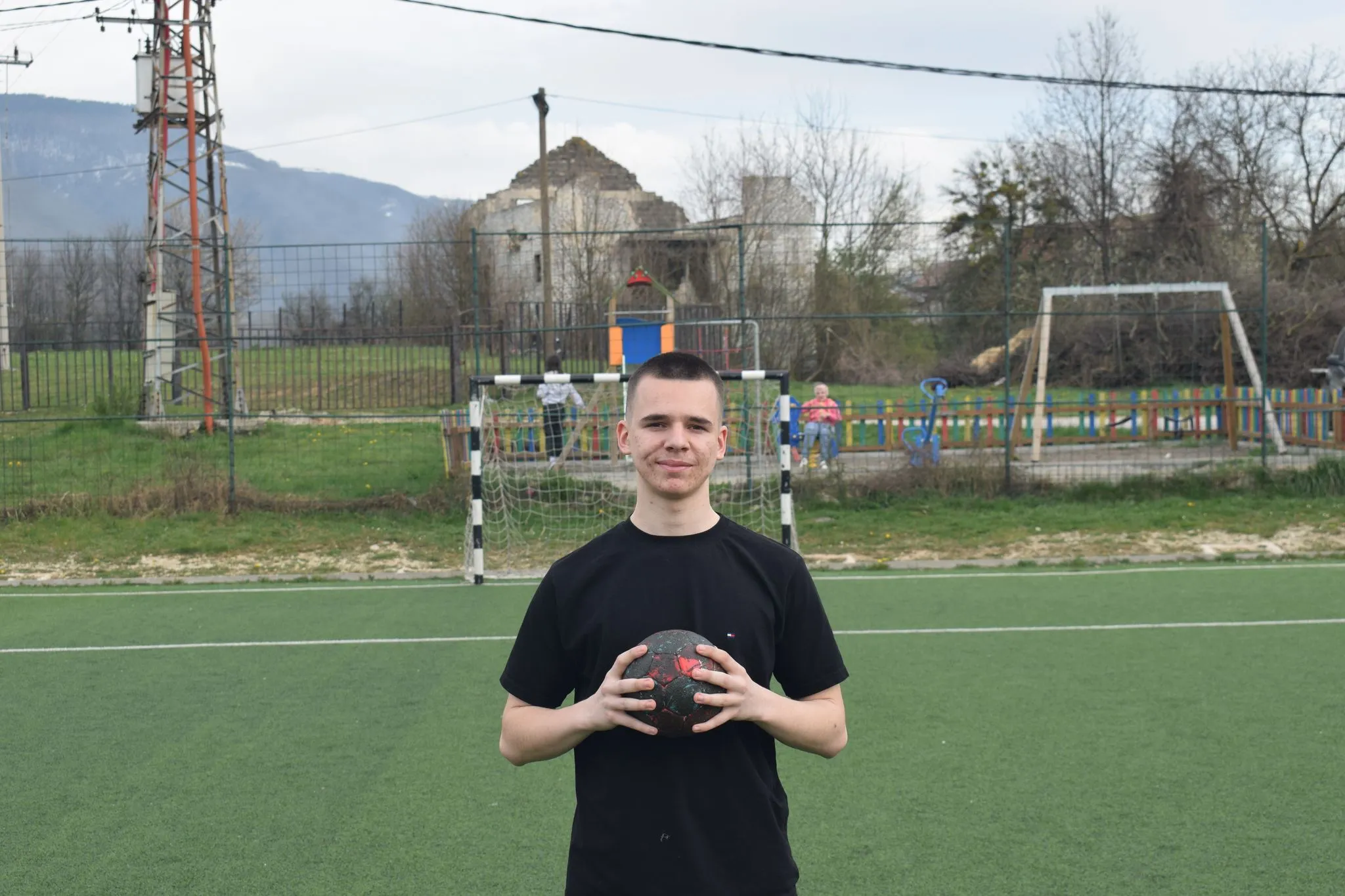
Amel Kamber
SOFTWARE DEVELOPER
Plays handball on weekends: the team's most reliable shot from seven meters.
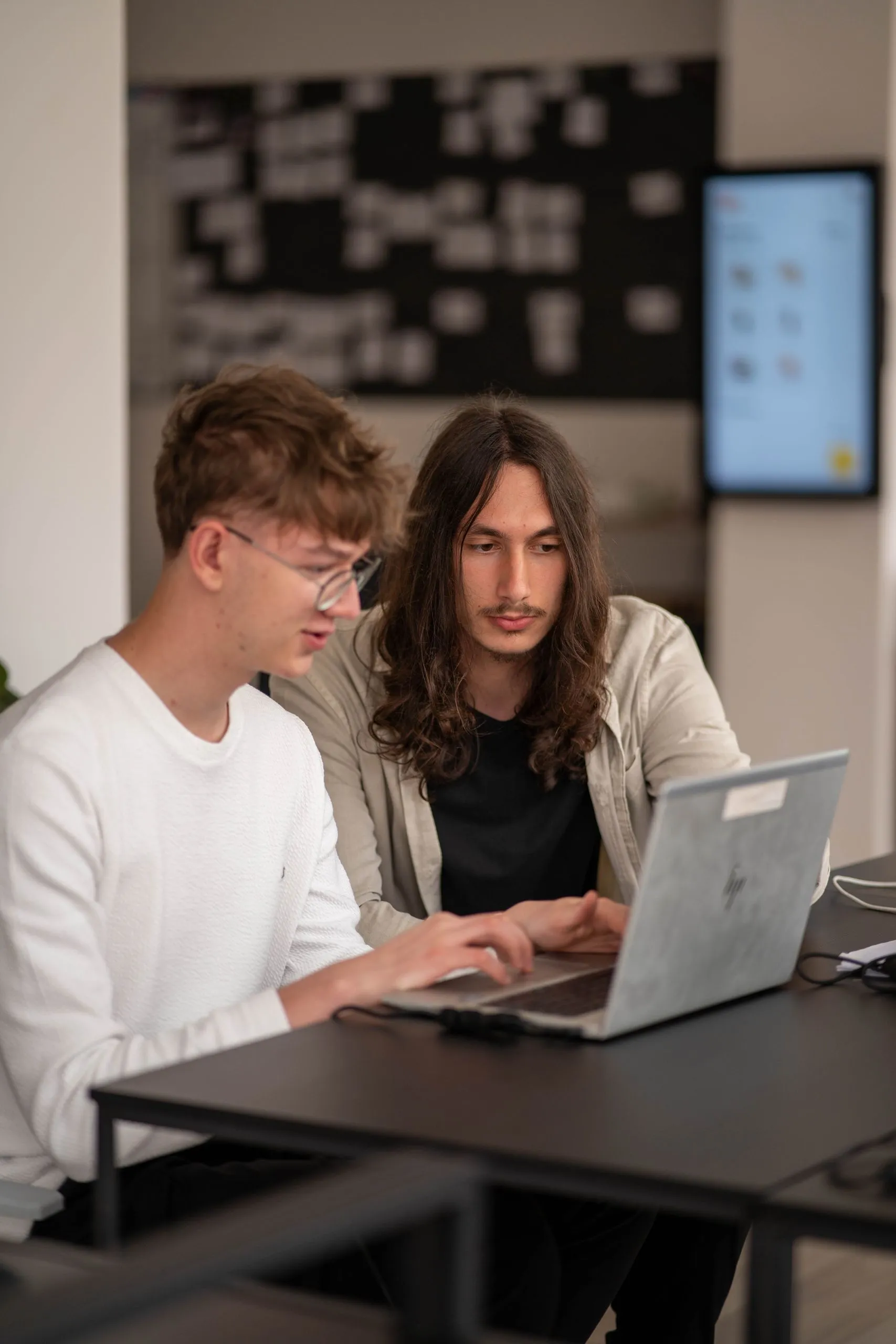
A standard we hold each other to.
The standard we hold our work to is older than the company. Amar Idrizović brought it from a decade of building products and leading engineering teams at much larger scale, Volvo Cars among them. What that teaches is less about tools than about care: how to review, how to say that something is not ready, how to leave work in a state the next person can pick up. That has been in the room from our first day.
It is a foundation, and everyone here builds on it. A review can change a standard. A project can change how the next one is run. What we learn gets written down, so it belongs to the company and is there for whoever needs it next. Nobody is expected to know everything; everyone is expected to keep learning, and to help the person beside them do the same.
That works in a room where questions are asked out loud, mistakes are said early so they can be fixed early, and disagreement is about the work, never the person. Ten is small enough that everyone knows what everyone else is working on, and a good idea never has far to travel.
Amar's full history on LinkedIn ↗HOW WE BUILD
Tools change. Responsibility doesn't.
AI agents are part of how we work, and we say so. They have changed the shape of a working day here: more time reading, reviewing and deciding, less typing. They have not changed who understands the problem, who shapes the solution, or whose name is on what we deliver.
We choose tools because they make the work better, not because they are new. When one stops earning its place, it goes.
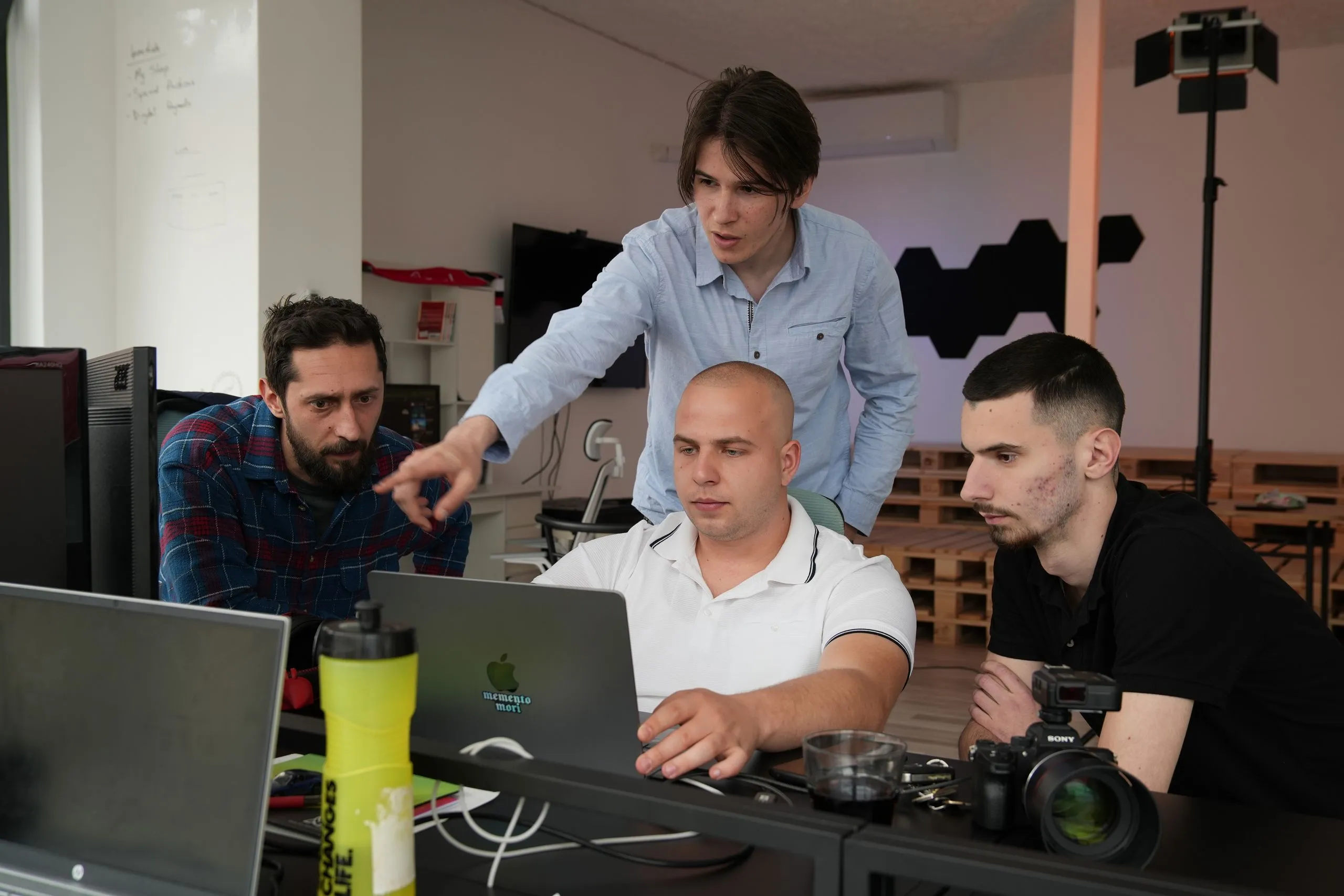
Gornji Vakuf-Uskoplje is a small town in central Bosnia and Herzegovina, and the whole studio is in it. From here our work has gone to a hospitality network in New York and to the internet café down the street, with the same care for both.
Central European Time. The coffee is Bosnian.
What we have made so far is in the work.
All work →