SOFTWARE ENGINEERING STUDIO
Nothing we ship is an accident.
P23 designs and builds custom software: products, platforms, and the systems behind them. The way we build gets the same engineering attention as the things we build.
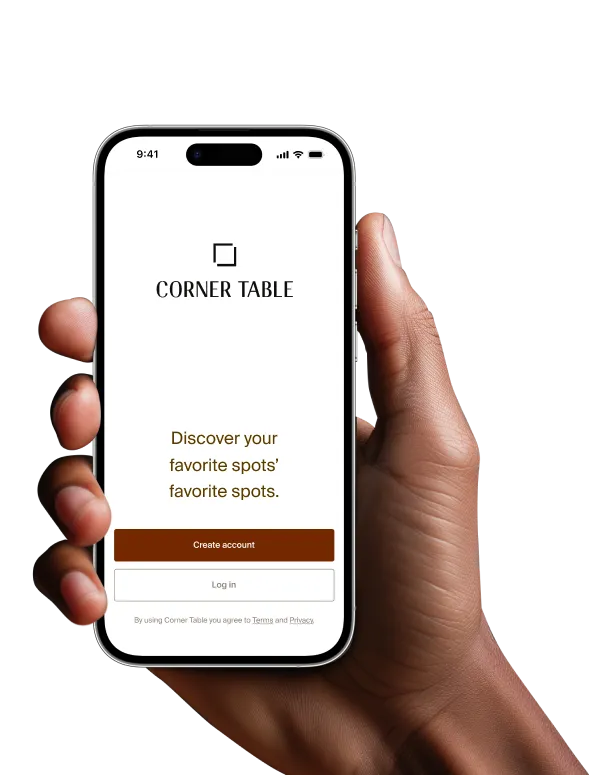
Lately that has meant mobile and web apps, the admin dashboards behind them, and a self-ordering kiosk — hardware included.

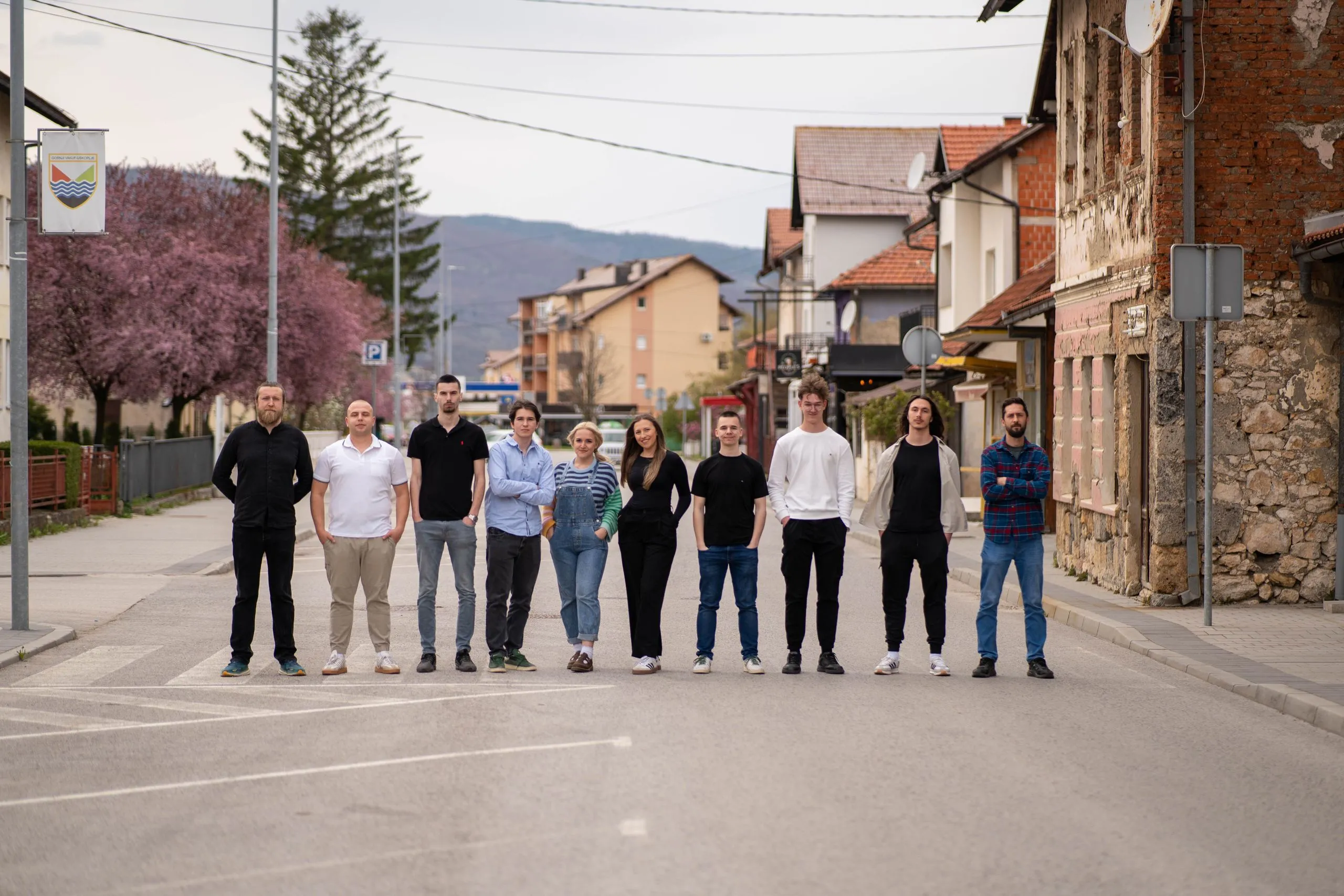
P23 works from Gornji Vakuf-Uskoplje, Bosnia and Herzegovina.
We work on the way we work.
better engineers → better systems → better engineers
Every project leaves two results: the software, and a better way of building the next one. When a review practice, a test setup, or a piece of tooling proves itself, it becomes a standard — so the next client starts where the last one ended.
Standards are shared
One set of rules across every codebase. When a standard stops being right we change it — we don't quietly ignore it.
Knowledge becomes tooling
A good solution that stays in one person's head is a loss. Repeated work gets documented, automated, or built into internal tools.
Learning is the job
Nobody here is expected to know everything. Everyone is expected to keep getting better — our ceiling is our engineers'.
Everything is verified
Requirements, code, AI output, assumptions — all of it can be wrong. Checking isn't a phase at the end; it's part of engineering.
AI, under supervision
used extensively, never unsupervised.
Engineers own the problem
Understanding what to build, making trade-offs, judging whether the result is correct. None of that has moved to a model.
AI implements
We use it extensively: scaffolding, tests, migrations, the repetitive middle of the work. It buys engineers time to think.
Engineers verify the result
AI output is reviewed like any other code, by the engineer responsible for it. Cheaper implementation raises the bar for judgement — it doesn't lower it.
What that buys you
Every hour we don't spend re-solving a solved problem is an hour that goes into your product.
Fewer false starts. Problems get understood before they get built, so the budget goes into the right product.
Less re-invention. Standards and internal tooling mean solved problems stay solved.
Faster implementation. AI takes the repetitive middle; engineers stay on decisions and verification.
Software that holds up. Maintainability is a default, so the cost of a system doesn't quietly return later.
The engagement adapts. The engineering doesn't.
There's no single P23 ceremony. Sometimes we lead a build end to end. Sometimes we bring technical direction, join an existing team, or implement a spec you already trust. What holds across all of it:
Understand before implementing. If the problem is unclear, building waits.
Name uncertainty early. Scope, risks and unknowns are discussed at the start, not discovered at the end.
Verify throughout. Requirements, code, AI output — checking is part of the work, not a phase after it.
Own what we're hired to own. The shape of the engagement changes; the accountability doesn't.
We would rather have an uncomfortable conversation early than an expensive one later.
Three things we won't do
Let AI replace engineering responsibility. Models implement. People answer for the result.
Hide problems to keep a conversation comfortable. Risks surface when we find them, not when they're convenient.
Call a shortcut free. Technical debt is taken knowingly and with its cost acknowledged — or not taken.

Bosnia and Herzegovina
Growing, on purpose
P23 is young and growing deliberately. Hiring is slow, because every engineer who joins has to raise what the company is capable of — not just its headcount.
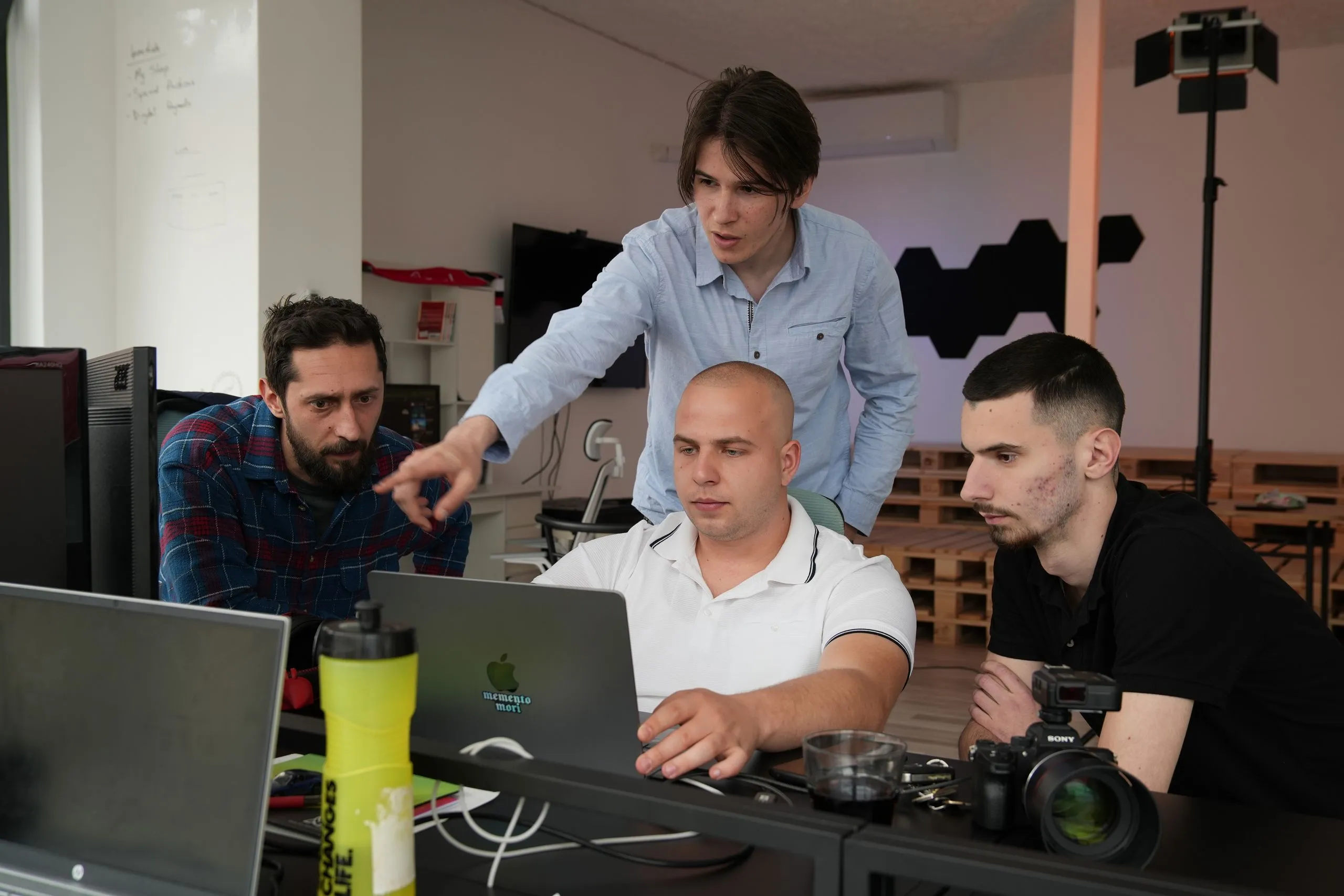
The standards come from somewhere. P23 was founded by an engineer who still writes and reviews code; the methodology is his experience made repeatable, so the way we work belongs to the company rather than to any one person.
Meet the studio →Start a project
Tell us what you're building and where it stands. It goes straight to hi@p23.io. The first conversation is about scope, cost, trade-offs and fit — and if we see a better way to solve your problem than the one you came with, we'll say so.